Save The Bay, Eat An Oyster In Nelson County


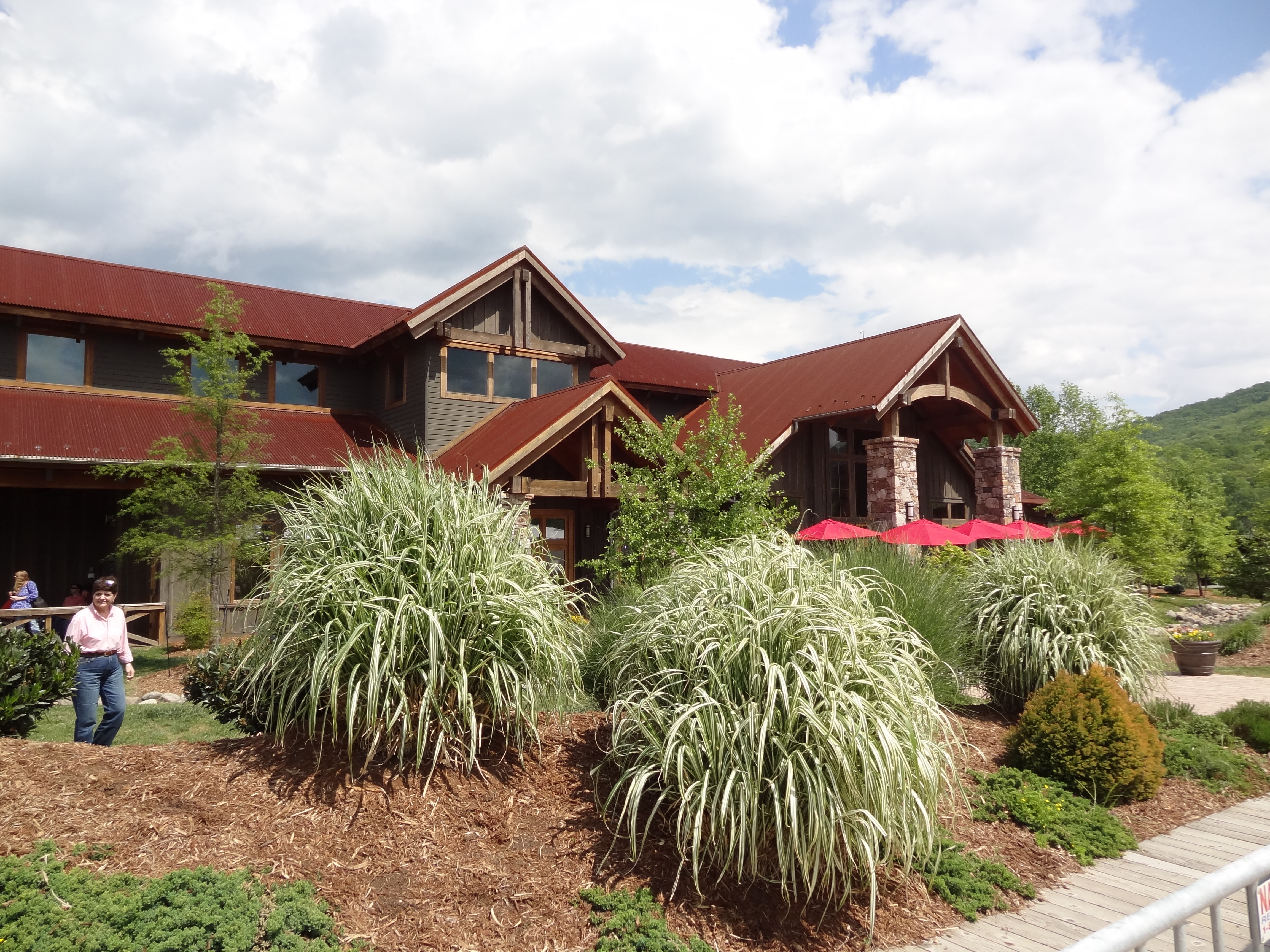
Oyster lovers were greeted  Saturday afternoon by billowing cottony clouds rolling across the Blue Ridge mountains near Wintergreen and fears of a rainy washout dissipating in the light breeze. This year, the 2nd Annual Blue Ridge Oyster Festival appeared to be quite successful judging by the numbers of happy picnickers headed in with lawn chairs, children in tow and  lines forming for food and beverages at the Devils Backbone Brewing Company  in Roseland, Virginia.

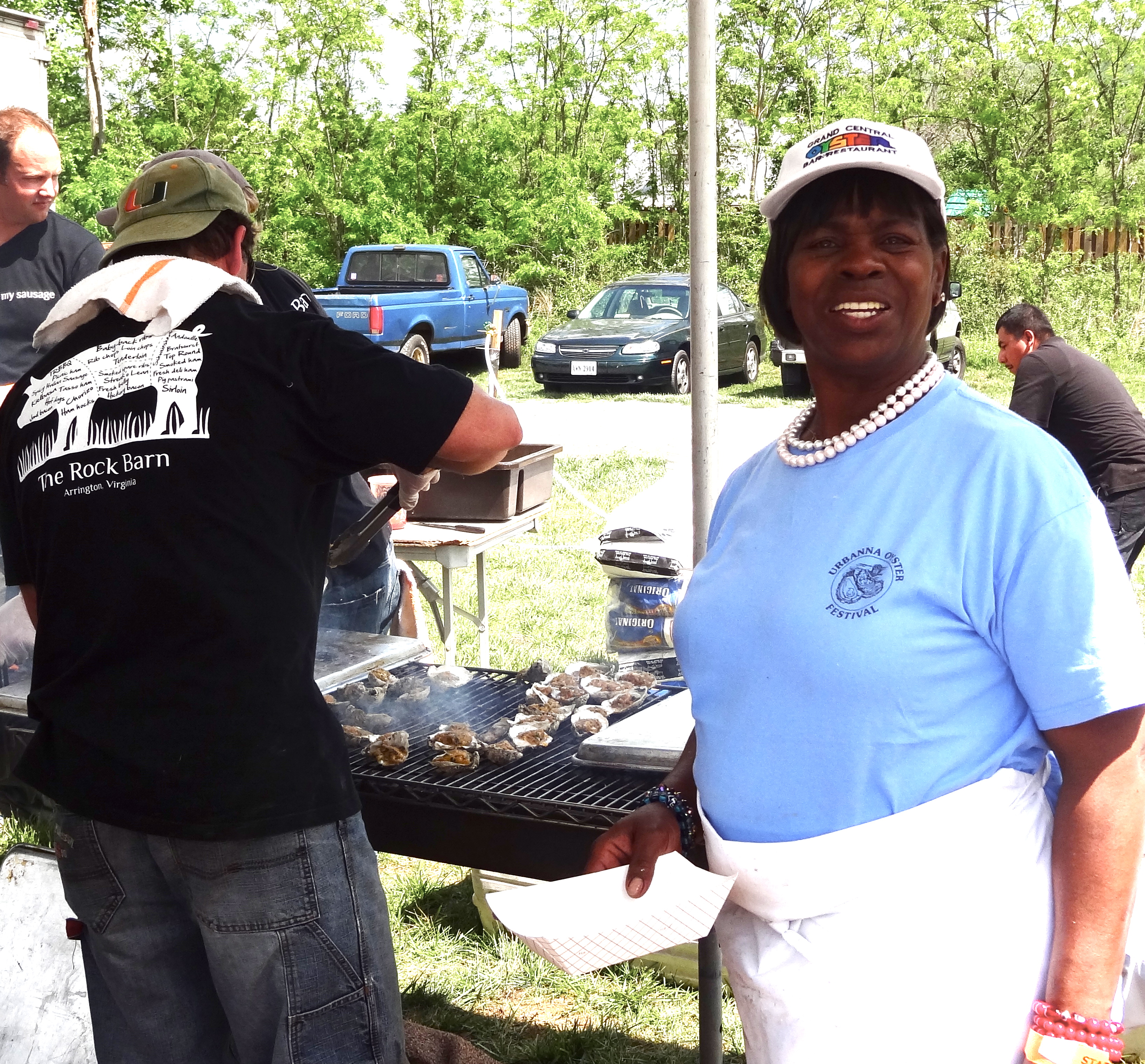
I’ve never been a big fan of oysters so this was a nice chance for my husband to enjoy a rare treat. Neither of us anticipated how much I was going to like the BBQ’d Mobjack Bay oysters with Rock Barn‘s Andouille sausage, arugula, and Asiago cheese.  Needless to say, they were sold by the half-dozen and first go-around I had three!  The shrimp and sausage grits topped off with scallions and cheddar cheese were worth the fork fight we had and are a must for next year. Ice cold beer on draft washed it down well and cooled us from the warm sun.

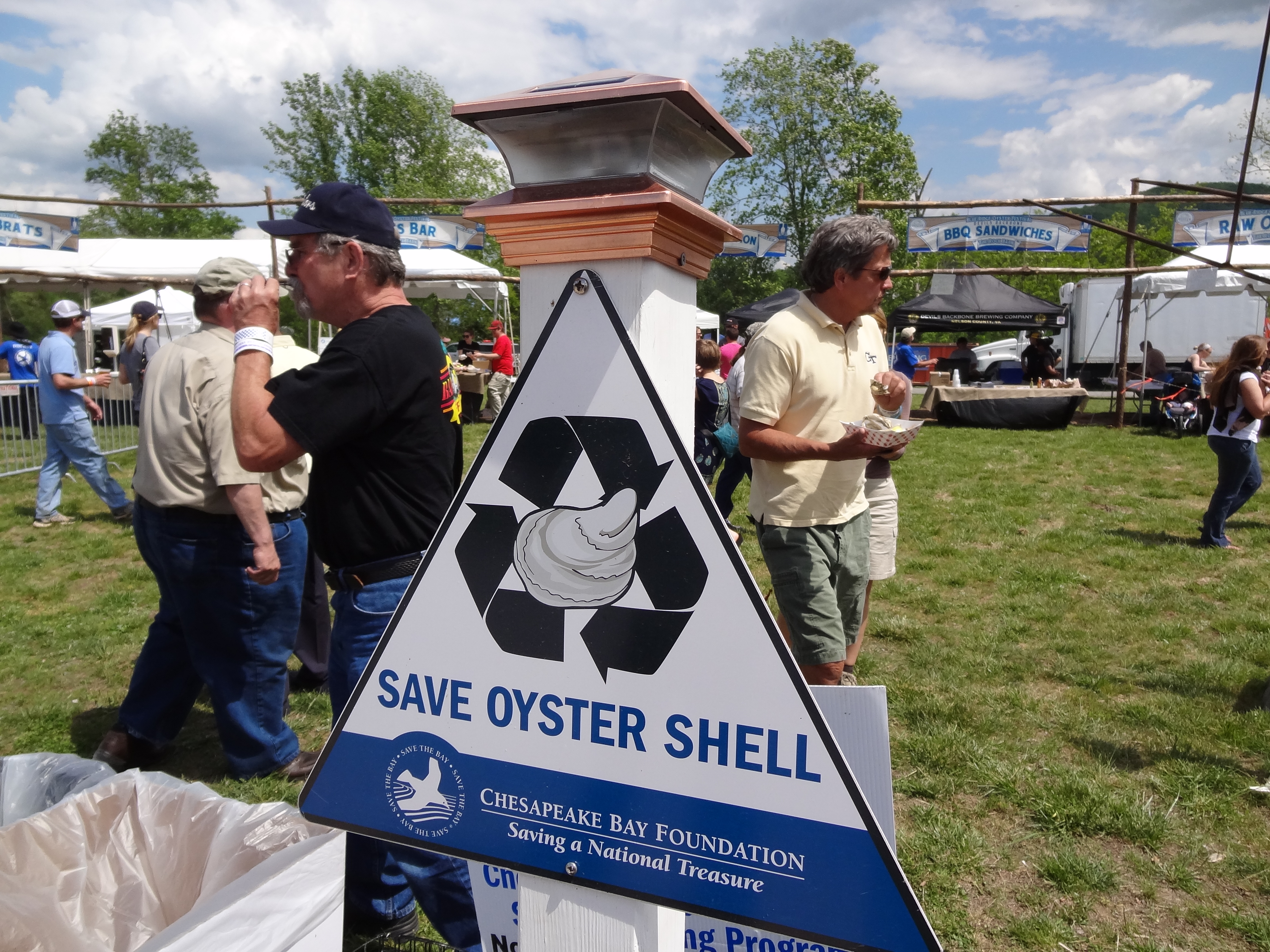
Oysters play a key role in helping to restore the Chesapeake Bay by filtering water.  One single oyster can clean up to 60 gallons of water every day. More oysters and oyster reefs are needed which is why they were proudly recycling all the oyster shells from this year’s Blue Ridge Oyster Festival for the Chesapeake Bay Foundation’s many oyster restoration projects.  All oysters served at the Blue Ridge Oyster Festival were harvested from Ward Oyster Company’s Aquaculture program (Ware Neck, VA)

We never got a chance to try the wine that was released by Cardinal Point and Blenheim wineries as we were headed back into Charlottesville for the Monticello Wine Trail Festival.  The 2011 Chardonnay aged in 100% American Oak  from Cardinal Point was the featured release and the 2011 Red Table wine from Blenheim was a blend of 46% Cabernet Franc, 36% Merlot and 18% Cabernet Sauvignon.  The Blenheim wine that I thought would have paired well with the oysters was the 2011 Rosé a vibrant, fruity but dry rosé made from Mourvedre, Merlot and Cabernet Sauvignon grapes, served chilled.

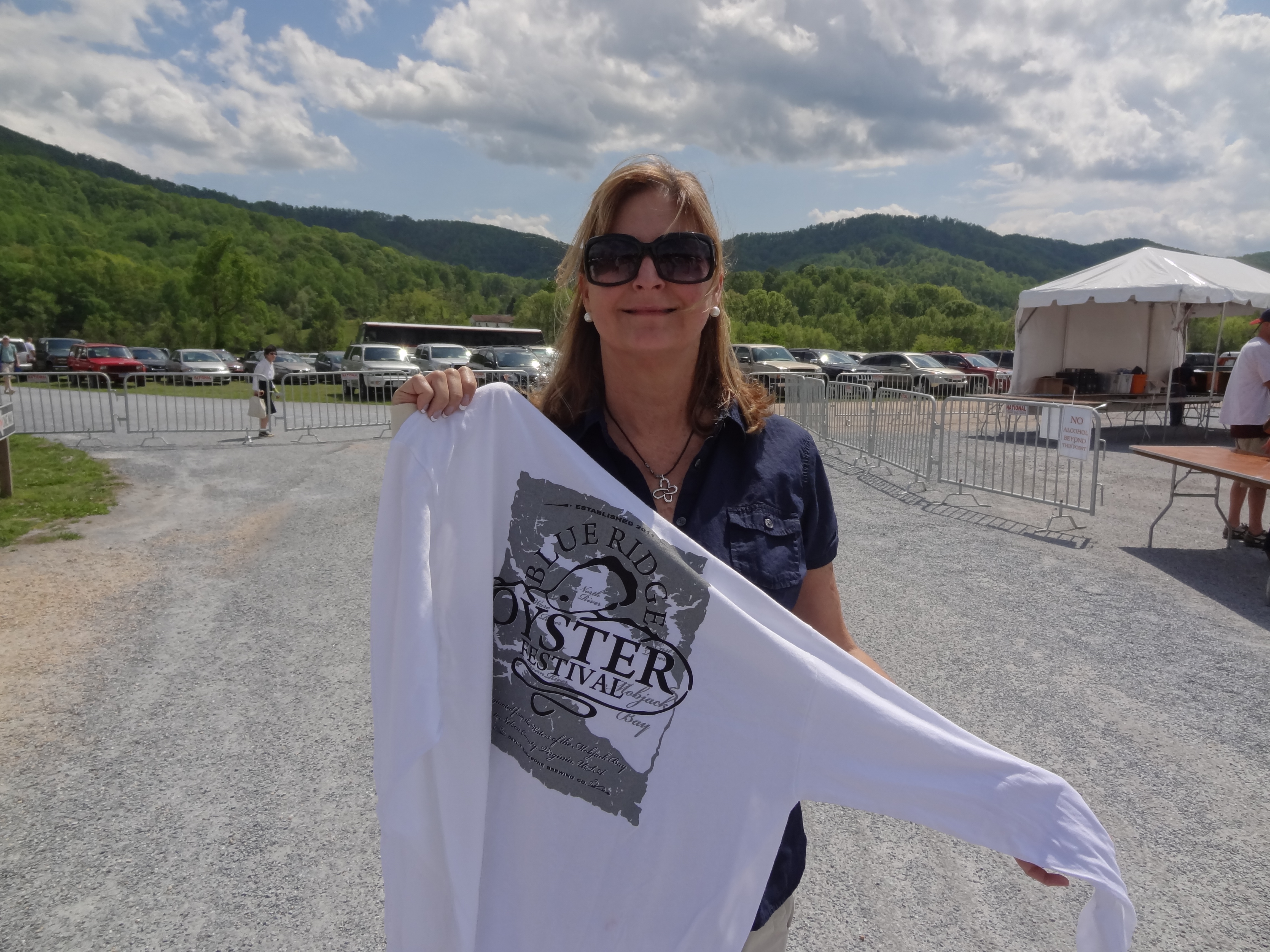
I wanted a souvenir wine glass but settled for a cool t-shirt. Next year, wine and the glass!

The hustle bustle behind the concession counters kept up with the demand and I loved the lady working the oyster booth with her double strand of pearls smiling her gorgeous smile. She was indeed one of the “pearls ” of the oyster festival. I would have loved to interview her but didn’t dare disrupt the assembly line.

Two Suggestions for 2013:

Restructuring the admission gate to facilitate better flow of the people who purchased tickets online. There was a bit of grousing and one person actually asked the attendant if they weren’t embarrassed to tell people, “If you don’t have a ticket, move to the head of the line”. The line was actually to check bags for outside food and beverages but unfortunately it was to the advantage of non-ticket holders.

Also, is there any way that speakers can be enhanced so that the food concession area can hear the wonderful live music? Picky, picky, but the stage was a bit far from the food area to pick up much volume.  I’m not an engineer and perhaps it is due to sound restrictions? With so many people quietly savouring their meals, I think it would add to the experience.

The commitment to accommodating as many people as possible was evident and look for this event to work out fine details, this was only the second year and they did a great job. Thanks to Cerberus Productions and Devils Backbone Brewing Company for hosting the event and benefitting The Big Brothers and Big Sisters of the Central Blue Ridge and The Chesapeake Bay Foundation. We look forward to next year!

Guest Post: The Academic Wino

During my recovery time after surgery on my (dominant wine glass holding) hand, I’ve had more time to read up on what other blogger compadres are writing about. One of the more interesting, especially if you’re into the science of wine making, is Becca Yeaman’s blog- The Academic Wino, I think you’ll find her information timely and thoroughly researched. I’ve met Becca through Cville SheBlogs, a group of Charlottesville bloggers committed to keeping up with the latest techy advancements.  Cville SheBlogs focuses on educating beginning bloggers and offering more experienced bloggers a chance to meet other bloggers, learn from each other, and participate in training and educating novice participants. They are preparing for their next big Blogville Conference next week.  Blogville is a one-day conference “Where Blog & Social Media Experts, Networkers, & Beginners Meet.”  Speakers include some of the most recognizable names in the field of blogging and social media, coming together in a single venue for just one day to introduce you to cutting edge technology and technique.  Thought I’d use this opportunity to plug a great networking and education venue…anyway, back on topic,  that is how I met the Academic Wino 🙂
 For wine lovers, there seems to be no need to justify drinking wine, but for others, health benefits are a key concern. Reducing cholesterol with wine is way more fun than Lipitor!  Thank you, Becca for the blog post below:
We’ve all heard over and over that red wine is good for your heart.  Studies have shown that wine consumption reduces blood platelet aggregation, which ultimately helps prevent many cardiovascular diseases.  The polyphenolic compounds in wine are primarily responsible for these benefits (specifically: resveratrol, catechin, and anthocyanins), as they possess high antioxidant activities which contribute greatly to the cardiovascular (and other) benefits of wine.  Comparing resveratrol and catechin with anthocyanins, they are more bioavailable and are found in the bloodstream without being degraded after the intake of wine.
http://abcofwine.com/images/wine%20health.jpg
Many cardiovascular diseases are closely linked to higher levels of low-density lipoprotein (LDL) cholesterol and cholesterol oxidation.  Oxidation of cholesterol starts with free radicals or active oxygen and produces a cholesterol oxidation product called 7-ketocholesterol.  Higher levels of cholesterol can lead to higher cholesterol oxidation, thereby producing higher levels of 7-ketocholesterol and other cholesterol oxidation by-products, which are toxic to blood vessels and cause damage to macrophages and endothelial cells inside them.  This results in abnormal cell metabolism, which ultimately causes cholesterol to gradually deposit on the blood vessel walls, forming a plaque, which in the end gives rise to cardiovascular disease.  By reducing the LDL cholesterol oxidation levels in the body, relatively normal cell function could be maintained, thus reducing the chance of plaque build-up in the arteries and cardiovascular disease.
Polyphenolic content is extremely variable, and depends upon many factors including grape variety, geographic location, terroir, vineyard and winemaking practices, as well as many other possible sources of variation.  The goal of the study presented today, which was published in 2011, aimed to determine the abilities of both red and white wines in reducing LDL cholesterol oxidation by using an emulsion system that has been shown to accurately replicate cholesterol oxidation levels and behaviors in the human body.
Methods
Two red wines (Merlot and Cabernet Sauvignon) and two white wines (Chenin Blanc and Sauvignon Blanc) were purchased from a local market.
A cholesterol emulsion system was produced to accurately replicate the conditions and levels of cholesterol oxidation in the human body (if you want more details, just ask).  Each wine was tested in this system to determine effectiveness against cholesterol oxidation.
7-ketocholesterol was measured using HPLC methods.
Catechin and resveratrol levels were also analyzed and measured.
Results
  •       The cholesterol level in the emulsion system was 1000mg/L, which is similar to a normal LDL cholesterol level in the human body (100mg/100mL).
  •       No 7-ketocholesterolwas found in 48 hours of oxidation for white wines at a 1:10 ratio and for red wines at a 1:500 ratio in the emulsion system.
  •       7-ketocholesterol inhibition rate remained at 100% after 72 hours for Sauvignon Blanc white wine at a ratio of 1:10, and in both reds at a 1:250 ratio.
o   Results indicate that red wine is much more efficient than white wine in inhibiting cholesterol oxidation.
o   Red wine has a 50 times higher capability than white wine in inhibiting cholesterol oxidation.
o   The lower antioxidant activity of white wine compared to red wine could be due to their lower levels of antioxidant-rich polyphenols, due to winemaking practices of no skin contact.
Individual Polyphenolic Compounds
  •       The molecular structure of the polyphenol appeared to be more important than the antioxidant activity of the compound.
o   Antioxidant capacity of red wine may be the result of a synergistic effect among many polyphenols.
  •       Compared with anthocyanins, catechin and resveratrol are more bioavailable in the bloodstream and are absorbed without degradation.
  •       Catechin levels in Merlot were 140.6mg/L and in Cabernet Sauvignon were 132.5mg/L.
  •       Catechin levels in both white wines were between 10.6 and 11.0 mg/L.
  •       Resveratrol levels in all wines were less than 0.1mg/L.
  •       7-ketocholesterol was not detected in 24 hours of oxidation when 1mg/L of catechin or resveratrol was mixed into the emulsion system at a ratio of 1:500.
o   The inhibition rate of catechin was higher compared to resveratrol after 48 hours of oxidation.  Resveratrol decreased to 74% at this time.
o   The inhibition rate of resveratrol continuously dropped to 68% after 72 hours of oxidation, and catechin was at 88% at this time.
Conclusions
The results of this study show that resveratrol may not be the major polyphenol in red wine that is responsible for the protection against cardiovascular disease as studies often claim.  Catechin may be a more important contributor to enhancing antioxidant activity in the blood, due to its higher antioxidant activity and bioavailabilty than resveratrol, which is found in levels of 10-20 times less than catechin in wine.  The results of this study also showed that the capability of red wine to inhibit cholesterol oxidation was 50 times higher than that of white wine, which makes sense when one considers the differences in winemaking methods of red (skin contact) versus white (no skin contact) wine and the fact that many of the polyphenols of grapes are located in the skins.  This higher polyphenolic content of red wine could explain the higher antioxidant levels in the beverage, as well as the increased cardiovascular health benefits.
Even though resveratrol is almost always given the most credit for reducing the risk of cardiovascular disease, the results of this study suggest that catechin may be more responsible than resveratrol for the antioxidant levels in red wine, thereby contributing more to the reduction of cholesterol oxidation in the human body.  According to the results of this study, the authors suggested that if the catechin level in a wine is 150mg/L, then consuming 60-70mL of a wine with greater than 10mg of catechin present would be very beneficial in inhibiting the oxidation of LDL cholesterol for healthy humans for 24 hours time.
In reality, I believe that there is most likely a synergist effect between resveratrol, catechin, and other antioxidant polyphenols, however, this study presents evidence that perhaps we should not be so focused on resveratrol alone, and should consider expanding the focus to other polyphenols that could be playing a more important role, or at least a synergistic role with resveratrol in reducing the risk of cardiovascular disease.
I’d love to hear what you all think!  Please feel free to leave your comments below (no html tags).
Source: Tian, L., Wang, H., Abdallah, A.M., Prinyawiwatkul, W., and Xu, Z. 2011. Red and White Wines Inhibit Cholesterol Oxidation Induced by Free Radicals. Journal of Agricultural and Food Chemistry 59: 6453-6458.
DOI: 10.1021/jf200544r

I am not a health professional, nor do I pretend to be. Please consult your doctor before altering your alcohol consumption habits. Do not consume alcohol if you are under the age of 21. Do not drink and drive. Enjoy responsibly!

The 1st Taste of Monticello Wine Trail Festival

Oh, no! A conflict (unless it rains of course!) between spending time in beautiful Nelson County at the Blue Ridge Oyster Festival or heading to our own Charlottesville nTelos Pavillion for the first ever Taste of Monticello Wine Trail Festival. Two totally different experiences and I guess one could attend both but the idea of relaxing and being in the moment as compared to rushing to make both events leads me back to selecting only one. Sunday is the rain-date for the Blue Ridge Oyster Festival in case you want to gamble on rain.

On Saturday April 21st, the Taste of Monticello Wine Trail Wine Festival – Presented by Brown Mercedes-Benz, will take place at the nTelos Wireless Pavilion on Charlottesville’s Downtown Mall from 2-6 p.m. Special early VIP entry from 1pm – 2pm.
Attendees will be able to sample from over 90 wines from 24 Trail members.

For $75 Special VIP packages include parking, early access, exclusive catered lunch provided by C&O Restaurant, opportunity to sample select wines not available to general public and a chance to mingle with wine-makers. For $25 VIP Designated Driver tickets are available.

The wine education classes offered in 30 minute segments by Wine Made Simple look very interesting! Wine Made Simple specializes in unique wines less than $20, wine education classes and special events.  The shop opened last year and is located at the Townside Center on Ivy Road in Charlottesville.  

Reading a Wine Label  – 2:30 

They say you can’t judge a book by its cover, but there’s no better place to start. The graphic designs, photography and illustrations on a wine label are the first thing to catch your eye, but they are the least important. The important stuff is all there on the label and you’ll learn how to discern the information that you will need to make an informed decision and find a wine that suits your palette.

Tasting and Describing Wine – 3:15

You don’t have to be a wine expert in order to taste and evaluate wine properly. We all have out personal tastes, but objective standards for determining the quality and character of wine are helpful. Learn the seven key characteristics of wine, and improve your tasting skills and descriptive vocabulary.

Old World vs. New World Winemaking – 4:00

The “Wine World” can be divided in two important poles: Old World Wines and New World Wines. Tradition and terroir in each style produces very different wines. For instance, New World vineyards are generally in hotter climates and the grapes tend to be riper, more alcoholic and full-bodied.

Pairing Wine with Food – 4:45

 You need not always heed traditional advice, i.e., white wine goes with white meat and vice versa. Wine and food from the same region are meant to be enjoyed together, remember….what grows together, goes together. Discover the general rules that will help you make the best pairings and impress your guests.

The Relevance of Price When Selecting Wine – 5:30

The selling price of a bottle of wine is not necessarily an indication of its quality or of its potential to be enjoyed. Understand the economic and marketing issues that underscore the prices we pay for the wine we drink, and the many sensibly priced and affordable wine options available.

Author Richard Leahy

I think this is really cool! Richard Leahy will be selling and autographing newly published copies of Beyond Jefferson’s Vines, a hardback book with over 200 pages detailing the history of Virginia wine since 1619 but focuses on the last decade, with visits to wineries statewide. I met Richard at the 2011 Wine Bloggers Conference just prior to the book going to print. Hmmm, Mother’s Day Gift idea? Wink!

Proceeds will benefit Jeffersonian Wine Grape Grower’s Society.  Event sponsors: Brown Mercedes-Benz – NewsRadio 1070 WINA – C&O Restaurant – redstar Merchandise – Monticello Wine Trail.

TICKET PRICES:

$29 – Advance  $35 – Day of Event

$75 – VIP $25 – VIP Designated Driver ticket

$10 – Designated Driver ticket

$10 – Ages 13-20 Kids 12 and under FREE

Participating Wineries/Vineyards:

Thibaut-Janisson The Spirit of Virginia

Thibaut_Janisson_Sparkling_WineTo most Virginia wine lovers, French ex-patriot, Claude Thibaut is well-known for his strides in placing Charlottesville on the map for sparkling wine.  After earning his winemaking degree from the University of Reims and following a 25 year career crossing the continents from Europe to Australia to California, he’s come almost full circle around the globe. Claude was recruited by the Kluge Estate Winery in 2003 as a consultant specifically for their sparkling wine endeavours.  Later,  in 2007, Claude entered into a business partnership with his friend, Manuel Janisson of  Janisson et Fils Champagne (from his early days in the Champagne region of France).

Janisson_et_FilsEmploying the “methode champenoise”- a double fermentation process that creates the bubbles found in Champagne and sparkling wines, Thibaut-Janisson is now producing sparkling wine served at White House State dinners. Claude has way surpassed his days at Kluge and is garnering rave views from Food and Wine Magazine, the Washington Post and quoting Dave McIntyre: “The T-J (a nice abbreviation given the implied reference to Thomas Jefferson and his love of wines) has become a darling of the Washington restaurant scene, because it is both local and top quality. ”

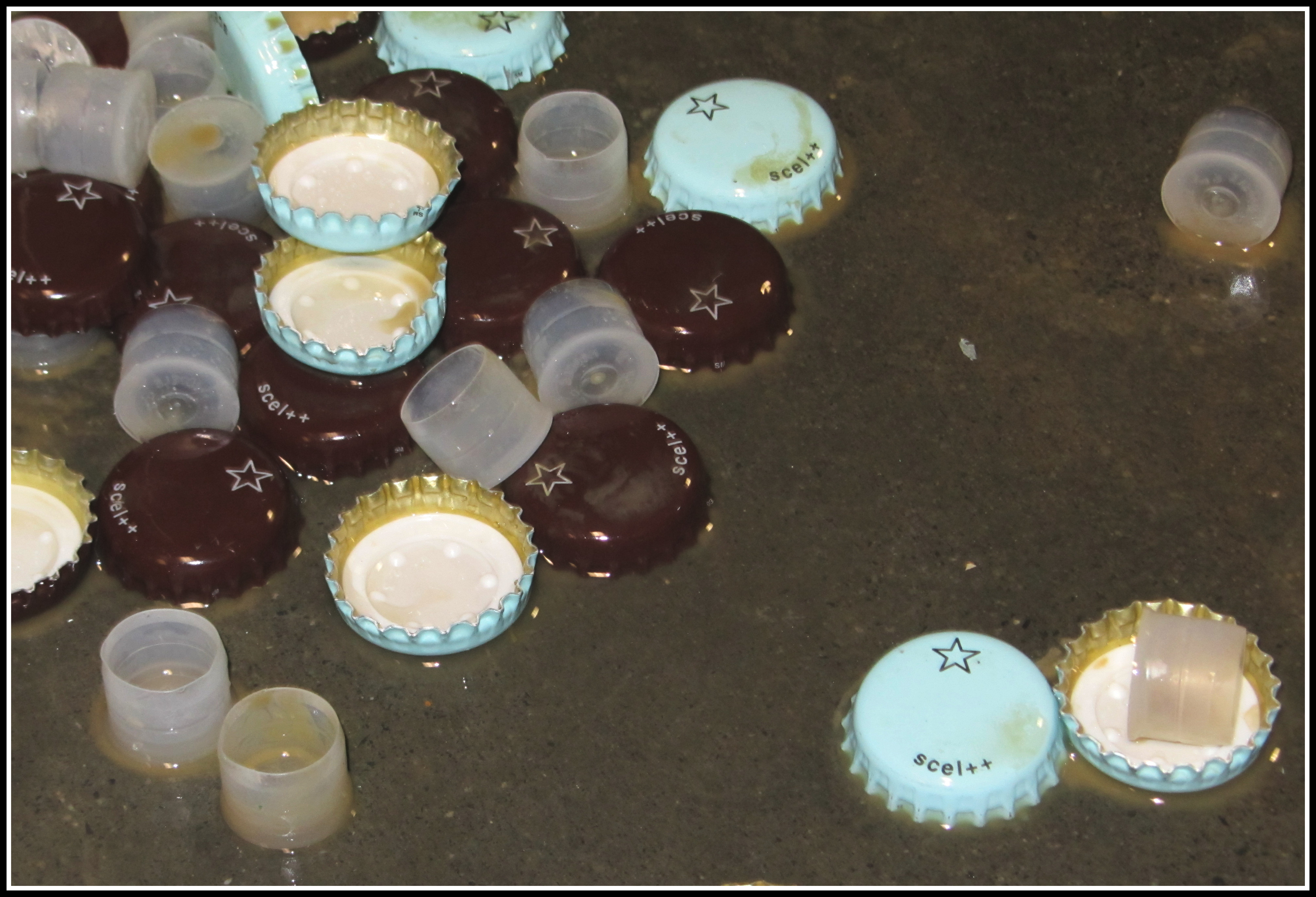
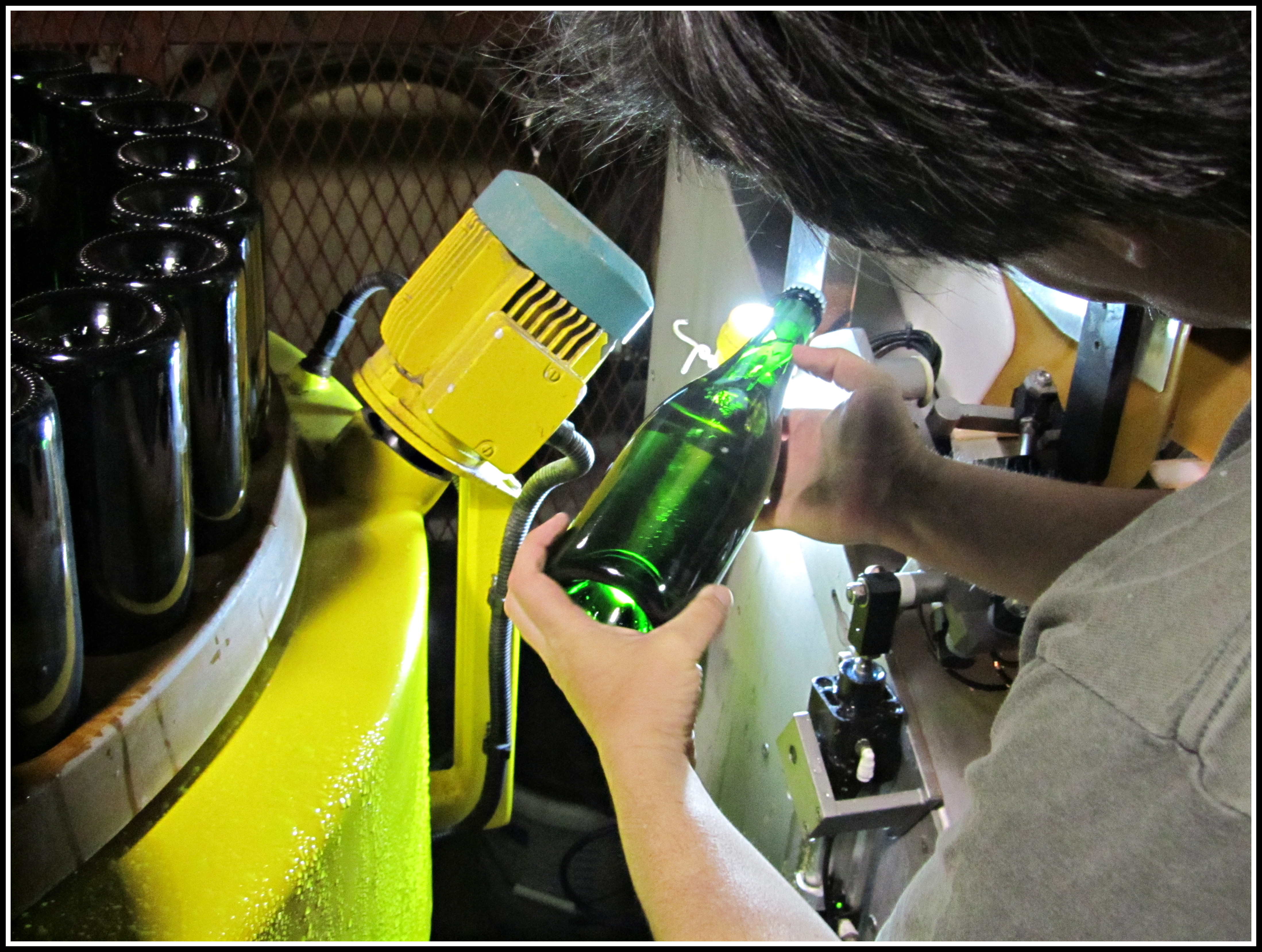
Bill Sykes, who has worked for the importer, Margaux and Company, joins Claude periodically to help during the bottling processes. Side note- Pamela Margaux, importer, also happens to  be Claude Thibaut’s wife! Bill invited me last week  to peek in on the disgorgement process at Veritas Winery where Claude leases space for his rapidly expanding  venture. Locally, Claude also teaches classes about making of sparkling wines at Piedmont Virginia Community College.  In order to really appreciate a bottle of champagne style wine in might be fun to take these classes and learn more about what and how long it takes to turn out a really good  “bubbly”. I wish I had taken the class prior to observing the assembly line of transferring the bottles after “riddling” and then “disgorging” but I received a very nice introduction to the process beginning with a glass of sparkling wine. The first step after rotating the bottles is removing the caps that are used in the first stages of fermentation. These caps look like generic beer bottle caps and not very romantic looking compared to the final wire twisted champagne cork one usually associates with sparkling wines.

Bill and Claude explained further the process of freezing the lees and then popping out the frozen yeasty mass in the neck of the bottle.                                                                                                                The bottle than moves on to dosage where a small amount of wine or liquor is added to offset the inherent dryness of the wine. At this point, the  dryness or sweetness is determined by the winemaker. The following table explains the adjectives you see on the label.

Level of Dryness
Amount of residual sugar per litre
Extra Brut
0.6%
Brut
1.5%
Extra Dry
1.2 –                       2.0%
Sec
1.7 –                       3.5%
Demi-Sec
3.3 5.0%
Doux
5% +

Bill_Sykes

After the dosage step, the bottle is handed off to be corked and wired. Bill is working at the helm of the corking machine above. Finally, the bottle is washed and shaken about 5 times and then is allowed to rest for about 2 months or so…and then we have, voila, sparkling wine!

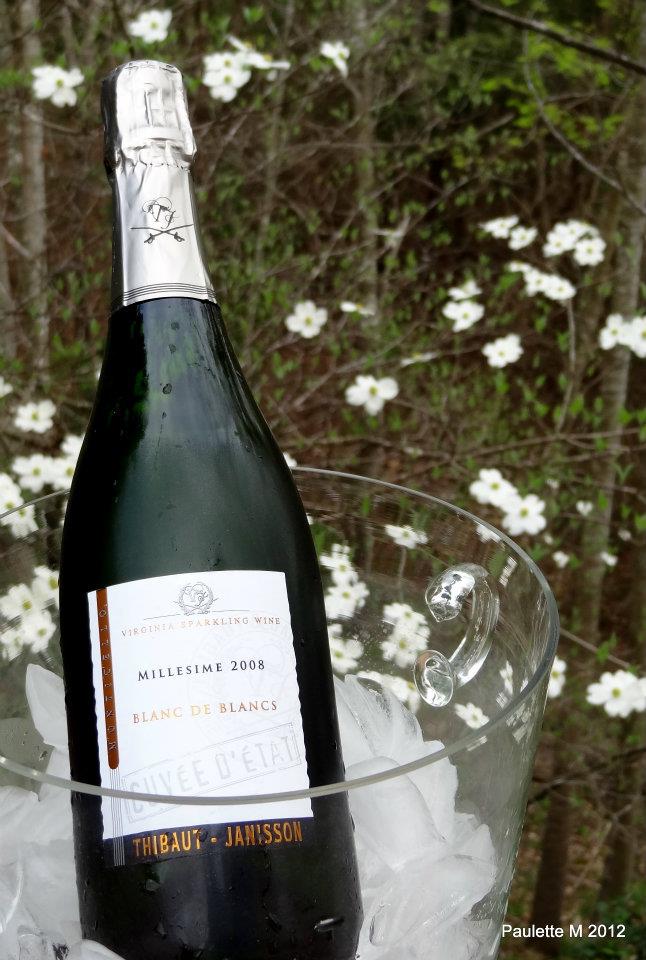
Last weekend we were spoiled rotten at Bill and Joyce Sykes lovely home with a divine dinner and paired with Thibaut Janisson sparkling wine. What a treat!Cuvee_D'Etat_Dogwoods

At the top of T-J line is the Cuvée D’état Blanc De Blancs 2008, my personal favorite, extra brut and recently featured  at the Persian New Year Celebration at The Beard House in New York City!

Fizz is a smooth, low-acid pour that works well with food and is easy to sip. Unlike -ultra-carbonated Champagne, Fizz is an effervescent, Crémant-style wine with a slightly sweeter taste than a brut. With its contemporary label and at approximately $25 a bottle is a nice addition for Easter Brunch. I saw a recipe for an asparagus, fontina fritatta that would pair nicely. It also mixes well for Mimosas!

The bottle you’ll find most often served is the Blanc de Chardonnay,  made of 100% Chardonnay from the Monticello Appellation, has vibrant aromas of ripe apples and pear; the taste is balanced, crisp and refreshing.

Final tasting note: You can’t go wrong by complementing your dining experience with a TJ sparkling wine, don’t save it for special celebrations, enjoy the fruits of the Virginia terroir and share it with friends often. Clink!

Special thanks to Bill and Joce Sykes, Paulette Musselman and Claude Thibaut for a special evening.